
Training-area upkeep
Accessible touchpoints, waste, floors, and shared surfaces can be listed by zone. The checklist is matched to member traffic and the times the area can be serviced.
Serving Long Beach, California & surrounding areas
Mon–Fri 8am–6pm · Sat 9am–2pm

Fitness Center & Gym Cleaning · Long Beach
Keep training areas, shared touchpoints, restrooms, entries, and floors on a clear recurring plan. Fitness center and gym cleaning is organized around high-use periods, room turnover, and the surfaces members encounter every visit.
HIGH-USE FACILITY CARE
Training areas accumulate contact marks, floor soil, and waste at a different pace from offices or retail rooms. The scope identifies accessible surfaces and the routine tasks that help maintain the agreed condition.
Restrooms and shared changing areas require clear fixture, floor, supply, and waste procedures. Across training facilities, their frequency is based on usage patterns discussed during the walkthrough, not a generic building category.
Entries and reception routes carry tracked-in soil and visible marks from continuous member movement. Giving those areas their own tasks helps keep the first approach presentable between more detailed work.
Floor material and traffic level can vary across the same fitness facility. The recurring plan separates routine upkeep from any machine cleaning or specialized floor work that needs its own method.
Request a CallbackTRAINING AREAS AND SHARED ROOMS
Fitness centers and gyms bring repeated contact, changing floor conditions, and busy shared spaces into the same operating day. Across training facilities, the cleaning plan needs to distinguish training areas, restrooms, entries, and support rooms by their actual use.
Accessible touchpoints, waste, floors, and shared surfaces can be listed by zone. The checklist is matched to member traffic and the times the area can be serviced.
Door glass, reception approaches, handles, mats, and nearby floors can receive focused attention. These tasks are planned around the conditions members see as they arrive.
Locker rooms and restrooms see constant wet traffic, so showers, partitions, mirrors and dispensers run on a frequency matched to attendance. Drains and floor edges are checked on every visit.
Studios, multipurpose rooms, and staff spaces can be treated as separate zones. Their task list reflects room use, access, and any equipment or furniture boundaries.
Traffic paths are reviewed by material, visible soil, and the time available for care. Specialized floor work is scoped separately if routine service will not address the condition.
SCHEDULED AROUND PEAK USE
Fitness center cleaning concerns the building type and the repeated use of training, entry, restroom, and shared spaces. Across training facilities, janitorial Services can provide the broader recurring structure for defined maintenance tasks.
Across training facilities, floor Care Services is used when gym surfaces need machine cleaning or another material-specific method beyond regular upkeep. The assessment identifies that need before it is included in a plan.
Deep Cleaning Services can address detailed buildup or neglected areas before a recurring fitness schedule begins. It is a separate reset project, not the replacement for ongoing high-use care.
Across training facilities, window Cleaning Services handles glass requiring a dedicated scope and suitable access. Routine entry glass attention remains part of the facility's regular presentation plan when included.
Request a Callback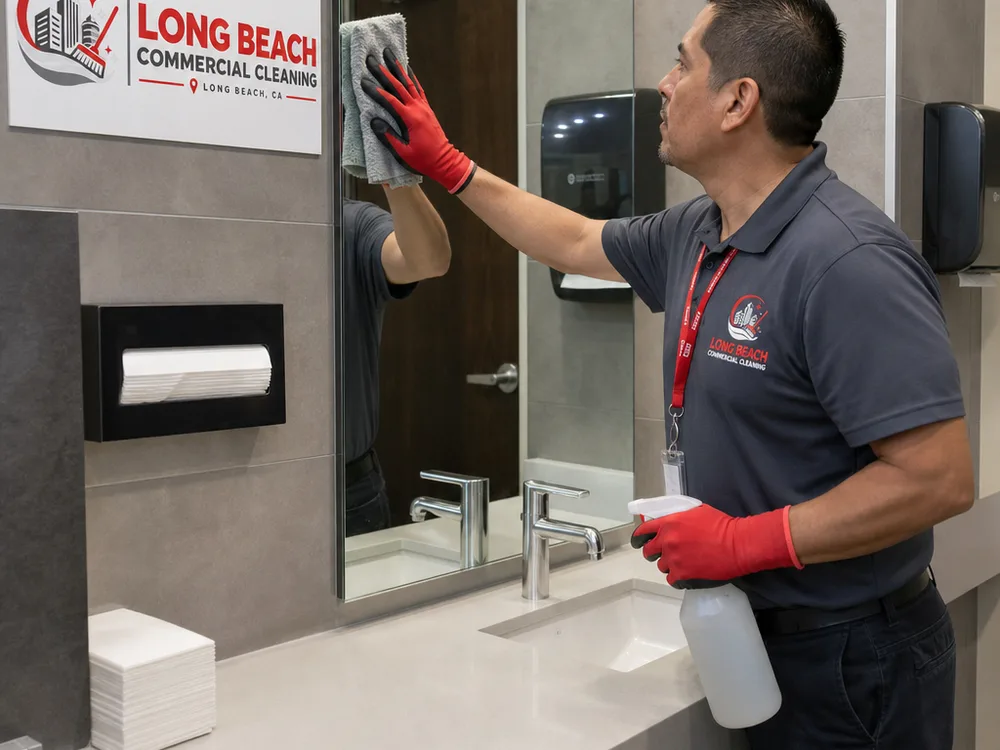
SCHEDULED AROUND PEAK USE PROCESS
A predictable checklist helps managers keep visible areas from falling behind during high-traffic periods. Scheduling decisions are made around the facility's member activity and available access windows.
Request a CallbackThe site review considers peak member use, entry activity, training areas, restrooms, and support rooms. This helps determine when work can happen without interfering with the facility.
Training zones, shared rooms, entries, restrooms, and staff spaces are recorded separately. Each area receives tasks suited to the surfaces and traffic it carries.
Contacts, entry details, supply storage, waste handling, and any room boundaries are confirmed before work starts. A clear process makes recurring visits more consistent.
The routine is placed around the operational windows that allow the agreed work to be completed. Longer projects or floor methods are scheduled separately when required.
As membership use, layouts, or operating hours shift, priorities may change. Reviewing the written scope keeps it useful for the facility's current conditions.
FITNESS FACILITY BUDGETING
Monthly recurring cleaning for a smaller fitness facility on a light schedule may typically fall around $200 to $900+. A larger center or a plan with more frequent attention can run about $1,200 to $4,500+ per month, depending on scope.
Fitness-center estimates may also use approximately $0.15 to $0.35 per square foot per visit. Training-area layout, restroom workload, floor materials, traffic periods, and access windows are reviewed before the quote is finalized.
Request a CallbackFITNESS CENTER QUESTIONS
A predictable checklist helps managers keep visible areas from falling behind during high-traffic periods. Scheduling decisions are made around the facility's member activity and available access windows. Across training facilities, the questions below explain how the scope is formed before work is scheduled.
Training areas, reception routes, restrooms, shared rooms, staff spaces, floors, waste points, and accessible touchpoints can be listed in the scope. The walkthrough determines the tasks for each zone.
Across training facilities, service is planned for the access windows that fit your operating schedule and priority areas. The review identifies peak periods, room availability, and the tasks that need a quieter window.
Restrooms and changing areas usually have their own fixture, floor, supply, and waste needs. Across training facilities, listing them separately helps match the recurring service to their actual use.
Entries, reception areas, shared touchpoints, visible floors, restrooms, and training routes are commonly noticed by members. The plan prioritizes the conditions specific to your facility.
Size, member traffic, rooms included, restroom volume, floor condition, visit frequency, and service timing all influence cost. The walkthrough verifies those variables before a written scope is issued.
Yes, Floor Care Services can be planned when the material or condition needs more than routine upkeep. That work is evaluated separately so the correct method and schedule are used.
BUILD A MEMBER-READY ROUTINE
Outline your peak hours, the equipment and floor surfaces involved, and how late or early a crew can be on site. We review the facility and provide a written scope.
Request a quote
Send the building type, the rooms involved, and your access window. We reply with a written scope and the price.