
Reception and waiting areas
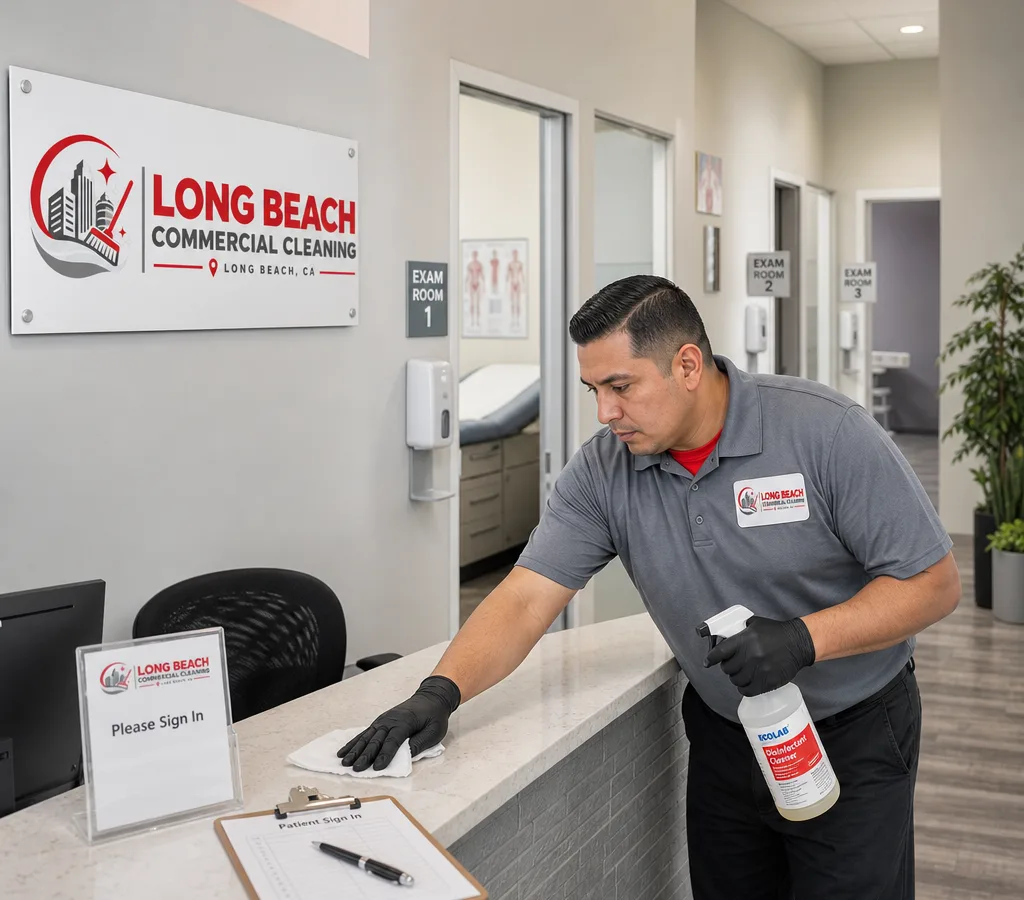
Counters, seating areas, door glass, touchpoints, waste, and nearby floors can be built into a visible-first checklist. The tasks follow client traffic and the agreed access period.
Serving Long Beach, California & surrounding areas
Mon–Fri 8am–6pm · Sat 9am–2pm
Salon & Spa Cleaning · Long Beach
Keep reception, waiting, restroom, floor, and client-area conditions aligned with the pace of appointments. For appointment settings, salon and spa cleaning is planned around visible touchpoints, room use, and the time your team can make space available.
CLIENT-AREA PRESENTATION
Reception counters, door glass, waiting areas, and accessible touchpoints establish the condition clients notice on arrival. The recurring plan can focus on those spaces without treating the entire property as one uniform zone.
Service rooms and station-adjacent areas need tasks that reflect their surfaces, traffic, and access period. The walkthrough separates what can be completed during routine visits from work that needs a different window.
Restrooms and employee areas can be organized around fixtures, dispensers, waste, mirrors, and floors. Clear supply instructions prevent routine service from becoming an unclear inventory responsibility.
Floors often collect visible marks near entries and client traffic paths. Routine care can be scheduled by material and use, while a specialized project is reserved for conditions that need more than regular upkeep.
Request a CallbackRECEPTION, ROOMS, AND FLOORS
Salon and spa settings place reception, waiting areas, service rooms, restrooms, and floors in close view of clients. A useful cleaning plan gives each area specific tasks and a service time that fits the appointment calendar.
Counters, seating areas, door glass, touchpoints, waste, and nearby floors can be built into a visible-first checklist. The tasks follow client traffic and the agreed access period.
Accessible service rooms can be listed individually with their own surfaces and timing. For appointment settings, this keeps the scope tied to actual room use rather than a generic square-foot description.
Client restrooms carry product residue and water on the floor, so surfaces, mirrors and dispensers are reset between appointment blocks and the floor is kept dry rather than merely clean.
Door glass and visible interior glass can receive recurring touch-up where included. Window cleaning is evaluated separately when the glass needs dedicated work or special access.
Traffic paths and station-adjacent floors are reviewed by material and condition. Routine mopping or vacuuming is separated from machine work or another detailed floor service.
CLEANING BETWEEN APPOINTMENTS
For appointment settings, salon and spa cleaning focuses on appointment-based rooms, client routes, and visible presentation. For appointment settings, office Cleaning is a separate program for workplace suites driven by desk areas, meeting rooms, and office schedules.
For appointment settings, janitorial Services can provide a broad recurring base for waste, restrooms, common areas, and basic floors. The salon or spa scope keeps client-area priorities and appointment access visible.
Floor Care Services handles material-specific work when traffic paths need a deeper method than routine care. It is planned as its own service rather than implied by the salon checklist.
For appointment settings, window Cleaning Services can address door glass or interior panes that need dedicated treatment. The requirement is assessed separately from the regular reception-area wipe-down.
Request a Callback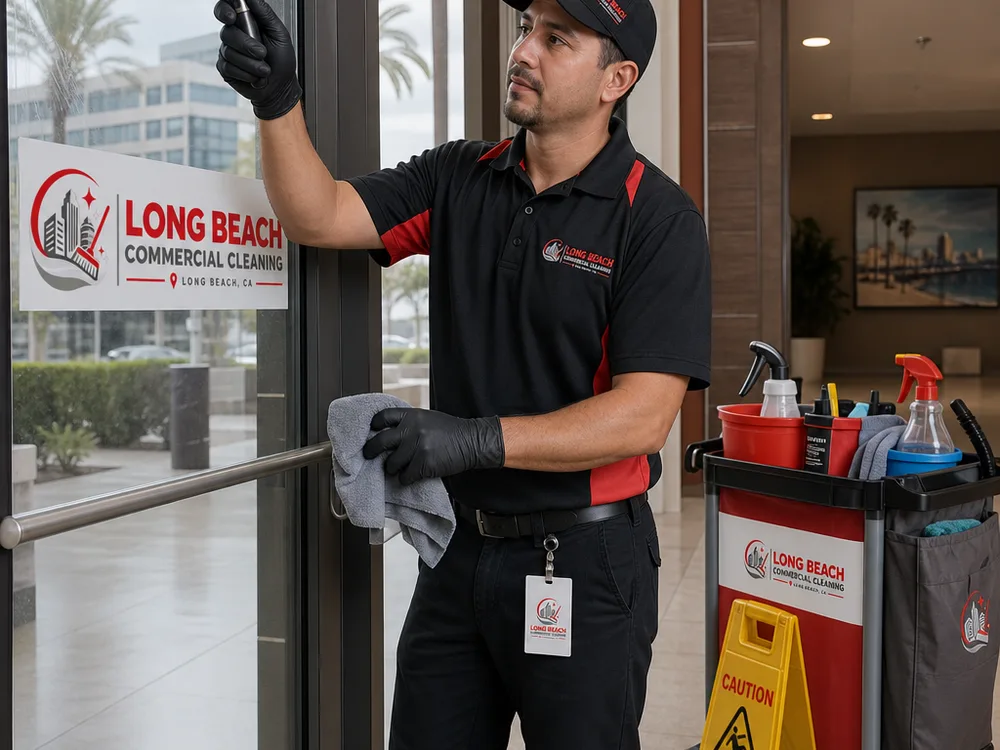
CLEANING BETWEEN APPOINTMENTS PROCESS
The facility's presentation is not limited to the front counter. Client movement, floor conditions, room turnover, and supply routines all influence the work that belongs in recurring care.
Request a CallbackThe first walkthrough looks at reception, waiting areas, accessible rooms, restrooms, and floors. Operators can point out the areas where presentation and turnover create the most pressure.
The plan accounts for appointment periods, staff routines, and the windows when rooms can be entered. This prevents the cleaning schedule from being based on assumptions about availability.
Each area receives an agreed list of surfaces and conditions to address. Clear room definitions make it easier to distinguish regular work from a separate detailed project.
Storage locations, consumables, keys, alarm steps, and contact instructions are confirmed before recurring service begins. Those details support a consistent visit routine.
A change in room layout, appointment volume, or traffic pattern can change the work. The written scope can be revised to match the current facility.
SALON AND SPA COSTS
For a smaller salon or spa on a light recurring plan, monthly cleaning may typically run from $200 to $900+. A broader room list, higher client traffic, or more frequent service can place the work around $1,200 to $4,500+ per month, depending on scope.
Recurring estimates may be expressed at around $0.10 to $0.35 per square foot per visit. The final figure depends on client-area layout, restroom tasks, floor material, access between appointments, and the checklist selected after the walkthrough.
Request a CallbackSALON AND SPA QUESTIONS
The facility's presentation is not limited to the front counter. Client movement, floor conditions, room turnover, and supply routines all influence the work that belongs in recurring care. For appointment settings, the questions below explain how the scope is formed before work is scheduled.
Reception, waiting areas, client routes, restrooms, door glass, and floors are often high-priority because clients encounter them directly. For appointment settings, the walkthrough identifies the specific spaces in your facility.
Accessible service rooms can be included when their surfaces, entry procedure, and service timing are defined. Each room is listed separately so expectations remain clear.
The cleaning window is built around the periods when operators can provide access without disrupting client appointments. That timing is confirmed before visits are placed on the calendar.
Yes, waiting spaces are planned for visitor presentation, while staff rooms follow their own use and access pattern. The scope separates these zones rather than using one blanket list.
Size, included rooms, restroom use, floor condition, client traffic, service frequency, and access period all affect the price. A walkthrough confirms the details needed for a written quote.
A separate Floor Care Services scope is appropriate when the surface needs machine cleaning or another material-specific method. Regular salon cleaning can then focus on ongoing upkeep.
SET THE RIGHT SERVICE RHYTHM
Give us your appointment pattern, the treatment and station areas involved, and the quiet hours that suit a crew. A walkthrough establishes the routine and the scope is written up.
Request a quote
Send the building type, the rooms involved, and your access window. We reply with a written scope and the price.